
FEATURED ARTICLES
-
 Which X-Ray, Metal Detector, Or Checkweigher Is Right For Your Industry?
Navigate the complexities of pharmaceutical safety with a guide to tailored inspection systems. Match the right technology to your specific product format for total compliance and quality.

WHITE PAPERS & CASE STUDIES
-
 Effective Strategies To Minimize Product Loss During Fill Finish
Every drop of high-value biologic lost in fill finish is money left on the table. Learn practical strategies to protect your yield.
-
 5 Reasons To Invest In The Automatic Test System
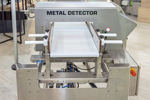
Automated metal detector testing strengthens quality control. With faster checks and continuous system monitoring, operations gain higher accuracy, safer workflows, and better production efficiency.
-
 Contamination Control Strategies For Innovation And Regulatory Compliance
Creating a robust contamination control strategy is essential for pharmaceutical manufacturing. Learn to align risk management and technical controls to ensure lasting regulatory compliance.
-
 Managing Risk In The Most Complex Combination Device Format
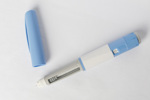
Autoinjectors add mechanical forces and interactions that change how container closure integrity must be evaluated. Learn why device complexity creates new risks and how testing strategies must adapt.
-
 Enhanced Flow Kit Performance With Leak And PUPSIT Testing
Sterile drug filtration demands rigorous integrity testing to prevent contamination. Learn how PUPSIT and in situ leak testing strengthen compliance with EU GMP Annex 1 and ensure reliable manufacturing.
-
 Automated PUPSIT For Drug Product Applications
Automated filtration systems streamline PUPSIT, leak testing, and integrity checks to ensure sterile drug product processing. Learn how these methods improve contamination control and compliance.




PRODUCTS & SERVICES

Ensure product quality with a Hazard Analysis and Critical Control Points plan, with guidance from experts to keep your production process compliant and safe without sacrificing speed.
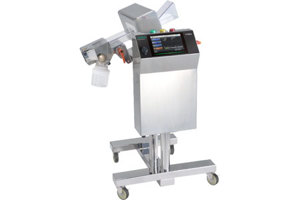
Explore the latest in contaminant detection technology with this pharmaceutical metal detector for tablets and capsules. Ensure the highest quality products with its failsafe rejection system and more.
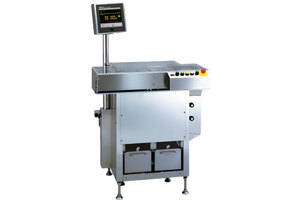
Ensure accurate aerosol can filling with this aerosol checkweigher, with a precision of ± 10 mg and a capability of up to 150 cans per minute.
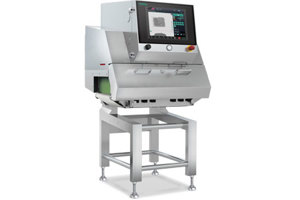
See more with the latest in X-ray technology: detect metals and foreign materials, perform quality checks, reduce process time, and more. Explore the specifications and details here.
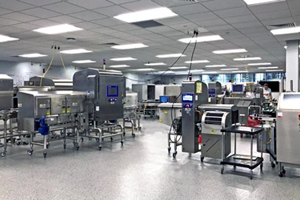

The XR75 Pharma X-ray is optimized for the quality control of pharmaceutical, nutraceutical, and cosmetic products in thin opaque packaging materials that cannot be inspected manually or with visual systems.
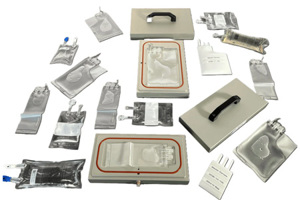
The Food and Drug Administration (FDA), United States Pharmacopeia (USP) and EMA Annex 1 issue strict guidelines for testing the integrity of IV bags and containers closed by fusion. IV bag manufacturers are one among many sterile product manufacturers that must meet these test requirements for container closure integrity.
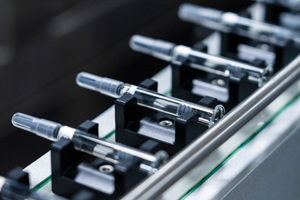
Referenced in the new USP <1207> Chapter Guidance as a deterministic test method for container closure integrity testing.