
AI In Action: Automating Cleaning Validation Reporting

By Katie Anderson, Chief Editor, Pharmaceutical Online
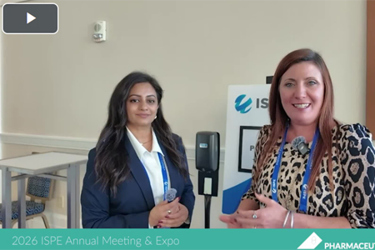
More than 200 molecules. Nearly 1,600 hours of cleaning validation reporting a year. And a team that decided to solve the problem itself.
At its solid dose sites, Apotex manufactures more than 200 molecules, according to Naheed Sayeed, Director of Validation. With that volume of drug product comes complexity at every stage of production, and plenty of paperwork to match. To cut the time her team spent on cleaning validation reporting, Sayeed andher colleague Xiande Yang, Ph.D., a scientist in AI Automation and Statistics at Apotex, turned to AI automation. To make things more interesting, they built the solution in house.
Sayeed and Yang presented the tool at the ISPE Annual Meeting and Expo.
Building CV-SARWAS In House
Going in to creating the AI tool for cleaning validation reporting, the company was spending nearly 1,600 hours on cleaning validation reporting in a year. Add that to the breadth of molecules and controlled interpretation, and you have a lot of busy work with the invitation for error.
Building an automated solution with AI in house meant that the validation team could not only reduce that time and chance for error, but they could build it the way they wanted. The team calls the solution CV-SARWAS, which stands for Cleaning Validation Statistic Analysis Report Writing Automation System. This tool provides evidence for cleaning validation through the lifecycle from process performance qualification through continued process verification, cleaning process validation and cleaning verification and monitoring.
To create the tool, data was gathered from LIMS lab results, QMS deviations, handwritten logbooks and relevant master data. R and SQL were then curated, the data was standardized, and the required fields were joined and validated. Traceable, analysis-ready datasets were made available for reporting.
The team then had to create report templates. It created 107 controlled report templates that followed predefined statistical workflows and are populated according to the available data and analysis outputs.
Although the data is raw when entered into Databricks, it is transformed to analysis ready data, and strategic analysis is automatically done. The tool is designed to generate compliant data, with controls embedded across data access, report generation, traceability and system governance.
Simple Interface, Big Payoff
The last past of creating the tool for cleaning validation report writing was to create a user interface. Because the users do not have a background in coding or stats, this part is crucial. The interface was designed to be easy, by selecting the site and equipment and specifying the reporting period. The report is then generated, which can be downloaded.
This automation took annual reporting from 1,600 hours to one minute. In addition, the output is consistent, and repeatability is improved across products, equipment, and reporting periods. The plan is to make this tool available globally for all validations teams. This will complement the ISPE’s cleaning validation guide, adding a necessary data generation component to complete the package.
For Apotex, CV-SARWAS is more than a time-saver. It shows how a validation team can turn scattered lab results, deviations, and logbook entries into consistent, traceable reports without relying on outside vendors. As Sayeed and Yang's team prepares to roll the tool out to validation teams worldwide, it points to a practical model for AI in pharma manufacturing: build it in house, design it for the people who will use it, and let automation handle the busywork.