INSIGHTS ON QUALITY ASSURANCE
-
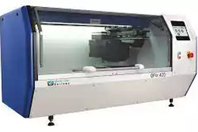
 XR76 Introduction: 5 Key Features To Learn About
Ensure quality compliance on high-speed lines with high-resolution inspection. Learn how to optimize contaminant detection and minimize costly false rejects.
-
 Amplifying Human Ingenuity: AI And The Future Of Frontline Operations
Explore a new vision for operations that replaces digital waste with adaptable, worker‑driven tools, as well as how continuous transformation and practical AI frameworks can help teams evolve processes.
-
 The Complete Guide To Computer System Validation
Understand the three-phase validation protocol that proves computer systems meet FDA requirements for accuracy, security, and reliability under 21 CFR Part 11 compliance standards.
-
 Quality Over Checkbox Compliance: From QRM To Quality Maturity
Quality maturity shifts asset management from compliance-focused to risk-based. Discover how performance-driven calibration and leading indicators create systems where quality outcomes become inevitable.



-
Wetting Recommendations For Successful Filter Integrity Testing1/12/2026
Discover best practices for hydrophobic and hydrophilic filters, troubleshoot failures, and optimize wetting in stainless steel and single-use systems to ensure process reliability and product quality.
-
Cambrex Scientist Spotlight: Jonas Nilsson1/29/2025
Jonas Nilsson, Principal Scientist based in Karlskoga, Sweden, leads a team of synthetic chemists focused on process development and optimization.
-
NGS Analysis Of Hereditary Cancer Predispositions3/4/2026
Examine how a molecular genetics team improves NGS efficiency and library quality through streamlined automation, intuitive QC tools, and reliable workflows, boosting reproducibility.
-
Managing Endotoxins - Detect, Prevent, Remove9/8/2025
Explore the risks of endotoxin contamination in drug manufacturing and discover sustainable, animal-free detection methods to ensure pharmaceutical safety and regulatory compliance.
-
Managing The Challenges Of Controlled Substance Manufacturing9/22/2026
How can manufacturers balance security, compliance, and supply continuity in controlled substance development and production?
QUALITY ASSURANCE SOLUTIONS
-

End-to-end POP display solutions with full assembly and pack-out services. With a focus on quality and speed, we deliver retail-ready displays for in-store promotions at any scale.
-

Automated microbial screening system capable of picking up to 3,000 colonies per hour
The QPix® Microbial Colony Picker leverages best-in-class colony picking technology to alleviate bottlenecks and quickly, accurately, and efficiently screen through massive genetic libraries. The easy-to-use, intuitive software guides users through setting up colony picking runs where precision robotics pick the right colonies every time.. In addition to microbial screening, the system automates several sample preparation and plate handling processes such as transfer of bacterial liquid culture and plating on agar.
-

Ensure sterile compliance and safety by understanding proper airflow and pressure dynamics in your compounding workflow. Choose the right hardware for your facility.
-

Explore automated electrophoresis solutions for vaccine development to ensure precise sample quality control and how these innovations streamline workflows and enhance reliability in vaccine research.
-

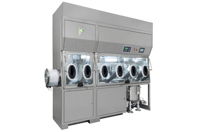
GMP Class 2 containment enclosure designed for the most challenging containment levels during manipulations of High Potent Active Pharmaceutical Ingredients (HPAPI) for compounding activities.