
Antibiotic Potency Testing By Microbial Assay: Principles, Applications, And Regulatory Significance
By Alan Rédly, Ph.D., Microbiology Department Head
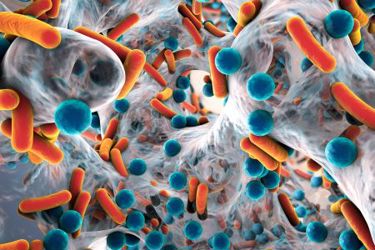
Potency assay selection for antibiotic drug substances and products is a strategic decision, not just a technical one. Chromatographic methods offer speed and chemical specificity, but they cannot always confirm that an antibiotic retains biological activity. Structural degradation, complex component mixtures, and process-related impurities that are chemically similar to the active substance may go undetected, yet still represent a meaningful loss of antimicrobial effectiveness.
Written by Alan Rédly, PhD, Microbiology Department Head, this whitepaper explains why USP <81>, Ph. Eur. 2.7.2, and JP 4.02 continue to recognize microbial assays as the compendial standard for many antibiotic monographs, and what manufacturers must consider before replacing them. It addresses the scientific principles behind the cylinder-plate and turbidimetric formats, the validation and comparability burden associated with alternative methods, and the downstream consequences for regulatory submissions, technology transfer, and global market access.
Explore the full analysis to understand how potency testing decisions shape both quality control programs and product lifecycle strategy.
Get unlimited access to:




Enter your credentials below to log in. Not yet a member of Pharmaceutical Online? Subscribe today.