
At Base Camp: Lilly's Manufacturing Capacity Journey

By Katie Anderson, Chief Editor, Pharmaceutical Online
Announcements of manufacturing expansions and new builds abounded in 2025, perhaps for no company more than Lilly. In 2025 alone, Lilly announced plans to build new facilities in Texas, Alabama, Virginia and Pennsylvania in addition to facility expansions in Indiana, Wisconsin and Puerto Rico. You are probably wondering how in the heck they are managing all that growth, and you wouldn’t be alone.
In his opening presentation at the 2026 ISPE Facilities of the Future Conference, Lilly VP of Corporate Engineering, Victor Cruz, echoed that question as one he often gets, adding, “People I meet always say, it must be challenging, it must be exciting, and it must be unprecedented, and the answer is yes, yes, and yes.”
An Early Journey
Its greenfield sites are fully automated with the integration of robots, in addition to being 100% paperless using state of the art monitoring. Sustainability initiatives include renewable energy, environmental safety controls, and Leed certification.
With two facilities delivered and a number started and in the works, Cruz noted, “We are just starting this journey. I am not going to say that we have figured it out. This is an open invitation to peers in this room to collaborate. It is going to make us all better.”
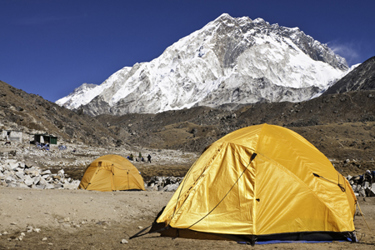
He continued that the company is at the base camp, getting ready to go to the summit. “This is not about delivering one site fast but delivering it all together.” To deliver these projects faster but safely, Cruz shared his three top areas of focus.
1. Early Planning
Planning early is the name of the game for Cruz. He emphasized the importance of selecting the right architecture and engineering firms and engaging them early. He also encouraged those working on facilities to develop a relationship with the communities. An early relationship with government authorities is also important. Build location is also paramount, in addition to having the right delivery model.
Cruz added that a successful project is built on having an A+ team on both ends. Though he added that scope of funding is important, he continued that an API project is more bespoke. “We learned a lot on that project,” he added.
2. Design and Construction Management
Whenever possible, Cruz tries to do as much off site construction as he can in a project. The more replication that can be done, the better, to minimize change.
He continued that early staffing and engagement of operations is critical to a project. “We have seen the most success in the projects where we accelerated operations early,” he noted.
Maximizing construction was recommended. In fact, he recommended 24/7 construction, noting that it is expensive but accelerates building. Cruz takes somewhat of a different approach to equipment, procuring it early before a plan for its location is made. “We place orders for a bunch of critical equipment early, even though we don’t know where it is going yet,” he explained. Though this puts a lot of pressure on OEMs, it helps avoid equipment shortages once the facility is ready, which delays production.
3. Commissioning and Qualification
The third area of focus is commissioning and qualification, which Cruz believes should be around the clock. The commissioning and qualification strategy and templates should be standardized, according to Cruz. This allows technology to be replicated and used.
Lessons Learned
Cruz has learned a great deal in the company’s manufacturing capacity journey. He echoed his previous learnings from API facilities, adding that API and paternal facilities require a different approach.
Labor is also a significant challenge, particularly for large capital projects. Cruz added that in those cases, attracting out of state labor will require premium costs. He highlighted that the staffing and funding strategy must be aligned, adding that the final 10% of the project is the toughest.
Owner oversight is a must, according to Cruz. Regardless of contract structures, this is crucial for safety, costs, changes, and more. Cruz learned to make sure the right contingency forms are compiled, and standardized best practices on greenfield site construction can impact speed tremendously.
An Open Invitation
At the end of his presentation, Cruz postulated as to whether the company is winning at its race to the summit. He noted that it is too early to tell, adding that it is a 10-12 year marathon rather than a race. However, he highlighted the wins that company has achieved so far in manufacturing capacity, with a record-pace GLP-1 facility and being the first to remove a GLP-1 from the shortage list.
Though the summit may be a way’s off, Cruz looks forward to getting there. “Once we reach the summit, the view will be incredible. Ultimately, it is all an effort to serve our patients well,” he added. He once again emphasized that the invitation remains open to peers to collaborate on a more efficient, standardized way of expanding manufacturing to enable a more stable medicine supply and a brighter future for pharmaceuticals.