
Bringing Novel ADC Formats Into The Clinic: Process Development For Antibody-Oligonucleotide Conjugates
By Hanna Wagner Process Development Bioconjugates, Lonza Advanced Synthesis; and Raphael Frey Commercial Development, Lonza Advanced Synthesis
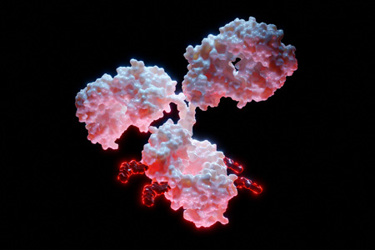
Antibody-oligonucleotide conjugates represent one of the more technically demanding formats to emerge from the broader diversification of bioconjugate therapeutics. Unlike traditional ADCs, AOCs carry oligonucleotide payloads that are substantially larger, potentially negatively charged, and analytically disruptive: their strong UV absorbance at 260 nm interferes with standard OAR quantification at 280 nm, making absorbance-based methods unreliable in crude reaction mixtures. TFF alone is insufficient for purification, and higher dosing requirements add further constraints on drug substance concentration.
Authored by process development and commercial development specialists, this white paper examines how these physicochemical properties reshape decisions at each manufacturing stage: from reaction time optimization and stoichiometry screening, to chromatography resin selection and elution strategy, through TFF development and GMP technology transfer. It also addresses where small-scale process data translates reliably to larger manufacturing scales and where additional process understanding becomes necessary. Explore the full analysis to see how these challenges can be addressed systematically.
Get unlimited access to:




Enter your credentials below to log in. Not yet a member of Pharmaceutical Online? Subscribe today.