|
|
|
|
Routine review of total and viable environmental monitoring data is a regulatory expectation and an operational necessity. Structure data analysis at the right frequency to accurately interpret process stability, identify hidden drift, and proactively assess the ongoing performance of your cleanroom environmental controls.
|
|
|
|
|
Transition from periodic sampling to continuous monitoring. Continuous data offers a robust demonstration of environmental control during critical production phases. Aligning with evolving standards ensures monitoring programs remain compliant while providing operational insights.
|
|
|
|
|
Modern contamination control strategies must integrate facility design with precise instrumentation and centralized software. Define critical control points and optimize your environmental monitoring framework through precise design and data-driven analysis.
|
|
|
|
|
When considering where to place sample points for particle monitoring, whether in a pharmaceutical cleanroom or clean device (RABS, isolator, etc.), the answer is not always straightforward. Learn how to identify the considerations, establish the most suitable location for monitoring a process, and build a scientific rationale for that decision.
|
|
|
|
|
Shifting to continuous particle monitoring generates vast data sets that require clear alert and action levels. This guide defines and applies current good manufacturing practices to help your team harmonize monitoring standards and reporting requirements.
|
|
|
|
|
|
Pharmaceutical Facility Monitoring System
|
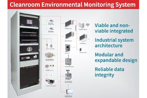
Discover a cleanroom processor that provides a central hub for a facility monitoring system. As a key component of industrial automation architecture, this embedded system offers high reliability as it controls samples and communicates with central software.
|
|
• Request Information
|
|
|
|
|
|
|
|