
History Of Peptides In Medicine: From Early Chemistry To The GLP-1 Era
By Robert Brousseau, Francisco Gonzalez, PhD.
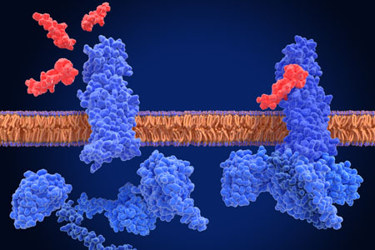
Peptide-based medicines have evolved from theoretical chemical constructs into one of the most versatile and impactful therapeutic classes in modern medicine. This paper chronicles the scientific journey of peptides, beginning with early discoveries that defined amino acid structure and bonding, and progressing through landmark breakthroughs such as hormone replacement therapies, synthetic peptide chemistry, and recombinant production technologies. It explores how advances in solid-phase synthesis, analytical characterization, and formulation enabled peptides to expand beyond endocrinology into oncology, infectious disease, cardiovascular conditions, and rare disorders.
A central focus is the recent surge in metabolic peptide therapies, which exemplifies how decades of incremental innovation can culminate in transformative clinical impact. The paper also examines persistent challenges—stability, delivery, scalability, and regulatory expectations—and how modern chemistry, delivery systems, and integrated development strategies are addressing them. By placing current advances in historical context, this review illustrates why peptides have reached a pivotal moment and why they are poised to play an increasingly strategic role in future drug development.
Get unlimited access to:




Enter your credentials below to log in. Not yet a member of Pharmaceutical Online? Subscribe today.