
Multiparticulates For Modified Release Systems
By Srinivasan Shanmugam, Ph.D., Executive Director, Pharmaceutical Sciences
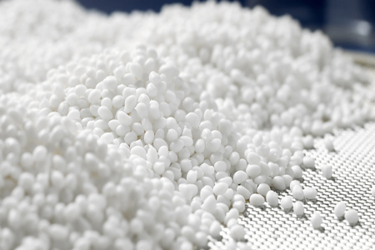
Multiparticulate drug delivery systems offer a groundbreaking method for achieving precise, patient-focused therapies. Unlike traditional single-unit dosage forms, these systems consist of numerous small, discrete units, such as beads, pellets, granules, or minitabs, each functioning independently to provide controlled release. This structure reduces the risk of dose dumping, improves ease of swallowing, and delivers exceptional flexibility in dosing. By incorporating multiple populations of these units, manufacturers can design immediate, delayed, extended, or pulsatile release profiles within one dosage form, enabling fixed-dose combinations and chronotherapy applications.
Advanced technologies in this space allow customization by adjusting solubility and release kinetics through specialized coatings and microenvironmental modifications. These innovations enhance pharmacokinetic performance, minimize side effects, and improve patient adherence by simplifying dosing regimens. Multiparticulate systems also support dose titration and proportionality without compromising therapeutic outcomes, making them ideal for pediatric, geriatric, and other populations requiring tailored solutions.
As the pharmaceutical industry advances toward personalized medicine, multiparticulate systems stand out for their ability to combine convenience, precision, and therapeutic effectiveness.
Get unlimited access to:




Enter your credentials below to log in. Not yet a member of Pharmaceutical Online? Subscribe today.