
Optimising High-Dose Delivery: Syringe-Autoinjector Integration, Injection Time And Performance
By Thomas Blaser, Yspomed AG, and Dr. Maëlle Douaire, BD Medical – Pharmaceutical Systems
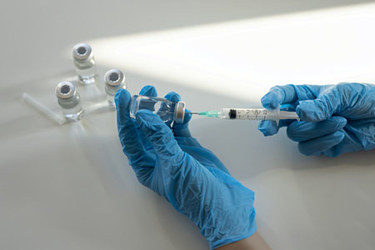
As biologics continue to evolve toward higher concentrations and larger subcutaneous doses, developers face growing challenges related to viscosity, injection force, patient comfort, and device performance. High-viscosity formulations can significantly increase injection times and place greater demands on both syringes and autoinjectors, making system-level optimization essential for successful drug delivery.
This study examines how syringe design, needle geometry, and autoinjector mechanics interact to influence the administration of high-dose therapies. By evaluating multiple syringe-needle configurations across a broad range of viscosities, researchers identified key factors that impact injection efficiency and consistency. The findings highlight the important role of needle length, wall thickness, and inner diameter in reducing flow resistance and maintaining practical injection times, even as formulation viscosity increases.
For drug developers working with complex biologics, the results provide valuable insights into balancing usability, performance, and patient experience. Discover how integrated device design strategies can help support reliable dose delivery while meeting the growing demands of high-concentration and high-volume therapies.
Get unlimited access to:




Enter your credentials below to log in. Not yet a member of Pharmaceutical Online? Subscribe today.