
Predicting Food Effects In Oral Drug Delivery Using PBPK Modeling
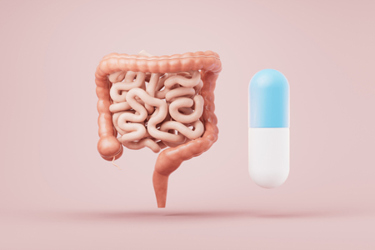
If you're developing a poorly soluble oral drug, food effects can blindside you late in the program when they're expensive to address. The fenofibrate case study covered here shows what's possible when you move mechanistic modeling upstream.
Using the OSD Predict framework, researchers combined physiologically based pharmacokinetic (PBPK) modeling with molecular dynamics simulations to understand why fenofibrate, a lipophilic prodrug, absorbs significantly better in fed versus fasted patients. The molecular dynamics piece is where it gets interesting. Simulations showed that fenofibrate interacts more strongly with fed-state gastrointestinal media, forming micelle-like aggregates that enhance solubilization of the drug and its active metabolite, fenofibric acid. That molecular-level insight fed directly into the PBPK model, which predicted roughly an 11% increase in Cmax under fed conditions, a number consistent with observed experimental data. That kind of early mechanistic clarity isn't just scientifically satisfying; it shapes formulation decisions and informs the clinical study design you'll need anyway.
Access the full application note at patheon.com/OSD to see how this integrated modeling approach could apply to your own food-effect challenges.
Get unlimited access to:




Enter your credentials below to log in. Not yet a member of Pharmaceutical Online? Subscribe today.