
Safely Scaling High Potency API Manufacturing
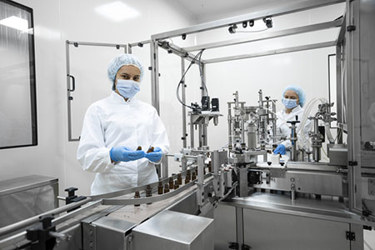
High‑potency active pharmaceutical ingredients are reshaping modern drug development, but scaling their manufacture introduces complex safety, regulatory, and operational challenges. As pipelines expand in oncology, immunology, and targeted therapies, manufacturers must manage compounds that deliver clinical benefit at extremely low doses while posing significant occupational risk if not tightly controlled. Success depends on more than isolated engineering controls — it requires an integrated containment strategy that aligns toxicological science, facility design, equipment selection, and disciplined operational practices.
This paper explores how clear potency classification, particularly through robust Occupational Exposure Limit (OEL) frameworks, underpins effective risk assessment and proportionate containment. It examines how primary, secondary, and tertiary controls work together to protect personnel and product integrity, and why these systems must be reassessed as processes move from development into commercial scale. Practical insights are shared on scale‑up, technical transfer, and cleaning validation, highlighting where risks often emerge and how they can be mitigated before they impact timelines. The discussion also looks ahead to the role of automation, digital monitoring, and sustainability in strengthening long‑term commercial readiness for high‑potency manufacturing.
Read the full asset to explore how containment becomes a strategic enabler — not just a compliance requirement.
Get unlimited access to:




Enter your credentials below to log in. Not yet a member of Pharmaceutical Online? Subscribe today.