
Targeted Modalities Set Elevated Standards For Precision
By Anshul Gupte, Vice President, Pharmaceutical Development, PCI Pharma Services
This article was originally published on Contract Pharma.
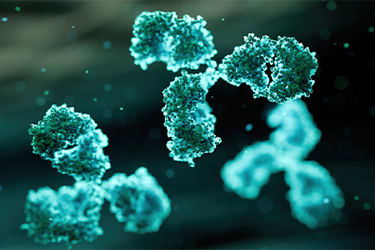
The rise of targeted modalities marks a major leap in drug development, offering therapies that bind precisely to specific receptors or biological targets for more effective treatment while reducing systemic exposure and side effects—clear advantages over traditional small molecules and biologics. Antibody-drug conjugates (ADCs) and targeted protein degraders (TPDs) are set for rapid growth: the ADC market is projected to triple from $3.5 billion in 2020 to $13.1 billion by 2030 (CAGR >17%), while TPDs are expected to expand from $542 million in 2024 to $3.55 billion by 2034 (CAGR 20.7%). This growth is driven not only by oncology applications but also by emerging opportunities in diseases where specific biological pathways can be targeted.
Advances in genetic research are enabling precision medicines tailored to individual patients, while improvements in drug discovery, molecular engineering, and computational design allow active pharmaceutical ingredients (APIs) to reach their targets more directly, reducing toxicity and enhancing efficacy. These innovations have already transformed outcomes for patients with conditions previously considered untreatable. Despite their promise, targeted therapies bring unique development and manufacturing challenges, which this article explores along with strategies for overcoming them.
Get unlimited access to:




Enter your credentials below to log in. Not yet a member of Pharmaceutical Online? Subscribe today.