
The Future Of ADC Manufacturing: Benefits Of Single-Use Isolators For Cytotoxic Payload Handling
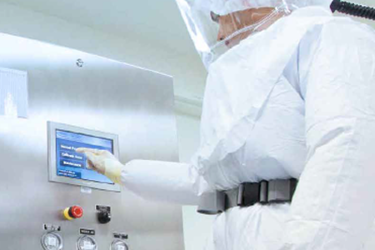
When your organization handles multiple antibody-drug conjugate payloads in shared containment equipment, the cumulative burden of cleaning validation, residual toxin QC assays, and production downtime compounds quickly. Rigid isolators require product-specific cleaning protocols validated to sub-ppb residual limits, and each changeover adds measurable cost and scheduling risk to an already high-attrition drug class.
Single-use flexible isolators address these operational realities. They achieve demonstrated containment of 10 ng/m3 airborne concentration across the full ADC payload handling lifecycle, including sample weighing, dispensing, solution transfer, and contaminated enclosure disposal, as confirmed by SMEPAC-protocol testing. Pressure-decay integrity release testing and PLC-based negative pressure control provide containment assurance even during power failure or induced breach scenarios.
From a cost standpoint, five-year cumulative modeling shows single-use isolators carry substantially lower total expenditure than rigid isolators when a CDMO processes ten or more payload batches annually, with the gap widening as batch volume increases. Disposal via incineration also eliminates the 100-200 liters of aqueous waste generated per rigid isolator cleaning cycle.
Read the full white paper to evaluate the containment performance data, cost modeling assumptions, and process flexibility considerations relevant to your facility's ADC payload strategy.
Get unlimited access to:




Enter your credentials below to log in. Not yet a member of Pharmaceutical Online? Subscribe today.