
USP <788> Revisions: What They Mean For Injectable Drug Quality — And Why Packaging Matters More Than Ever
By Victoria Morgan
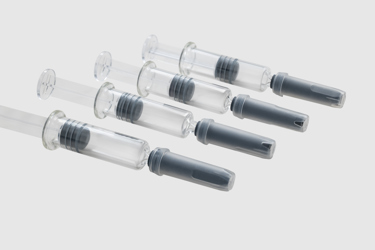
Controlling particulate matter in injectable drug products has long been a fundamental aspect of ensuring both patient safety and product quality. While visible particles frequently attract regulatory attention and public scrutiny due to recalls, subvisible particulate contamination presents an equally important—yet often less visible—risk. These microscopic particles, which cannot be detected by the naked eye, have the potential to compromise product integrity, trigger inflammatory or immunogenic responses, and create serious safety concerns for sensitive or vulnerable patient populations. As injectable therapies become increasingly complex, particularly with the growth of biologics, advanced therapeutics, and high-value parenteral products, the importance of robust particulate control strategies continues to grow.
To help manage these risks, United States Pharmacopeia <788> Particulate Matter in Injections remains one of the most important global standards governing the assessment of subvisible particulate matter in parenteral drug products. The chapter provides manufacturers with harmonized guidance on testing methodologies, acceptance criteria, and compliance expectations designed to support product safety throughout the drug lifecycle. However, with global regulatory agencies placing increased focus on contamination control and quality risk management, manufacturers are facing growing pressure to demonstrate greater scientific justification and control over their particulate strategies.
This regulatory landscape is set to evolve further with significant updates to USP <788> scheduled to become official on August 1, 2026. Published in NF 2026 Issue 3 on November 21, 2025, the latest revision maintains the core principles of particulate matter control while introducing important refinements and clarifications that may affect how manufacturers design, validate, and defend their particulate testing programs. As the industry prepares for implementation, now is the time for organisations to strengthen their understanding of the updated requirements and assess whether their current particulate control strategies remain aligned with evolving regulatory expectations.
Get unlimited access to:




Enter your credentials below to log in. Not yet a member of Pharmaceutical Online? Subscribe today.