
Highly Potent Active Pharmaceutical Ingredients Containment: A Full Lifecycle Safety Innovation
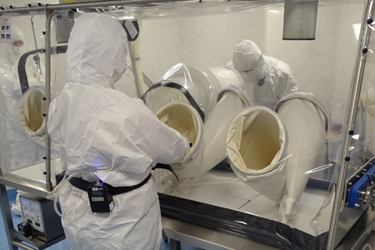
When you handle highly potent active pharmaceutical ingredients, the containment system you select must be matched to a quantified risk profile, not chosen on precedent or convenience. This application note walks you through an eight-stage full lifecycle safety framework built on decades of occupational exposure data dating to 1989 field studies that demonstrated gravimetric sampling alone was insufficient for containment applications.
You will see how a Process Score algorithm translates toxicity data, powder dustiness, transfer volume, and energy input into a precise isolator specification, from ambient-pressure flexible film for materials with containment performance targets below 10 µg/m³ up to fully disposable, negative-pressure systems with dual-stage HEPA exhaust and automatic pressure decay testing for cytotoxins at sub-0.01 µg/m³ targets. The framework then carries that specification through quality by design sign-off, automated manufacturing integrity testing at ten to twenty times operating pressure, factory acceptance testing, containment performance testing per ISPE Good Practice Guide protocols, pre-run pressure decay verification, single-use enclosure changeover to eliminate cleaning validation, and vacuum-collapse disposal to prevent accidental exposure at end of campaign.
Check out the full resource below to evaluate whether your current containment approach addresses every phase of the operational lifecycle, including enclosure disposal, where uncontrolled exposure risk is frequently overlooked.
Get unlimited access to:




Enter your credentials below to log in. Not yet a member of Pharmaceutical Online? Subscribe today.