
Particulate And Shuttle Blow-Fill-Seal: Demonstration Of Contamination Control For Annex 1 Compliance
By Andy Goll, Josh Myers, Laura Weidner, and Michael Buzecky
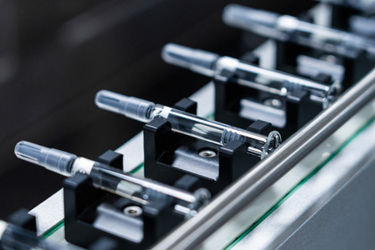
The revised EU GMP Annex 1 has elevated contamination control expectations for sterile injectable manufacturing, prompting renewed scrutiny of aseptic technologies and their ability to minimize human intervention. Blow-fill-seal (BFS) systems, particularly shuttle platforms that use an open parison design, have drawn attention as manufacturers evaluate their alignment with modern regulatory standards.
To address industry questions around particulate risk and Annex 1 compliance, Weiler Engineering and Apiject Systems undertook a detailed particle burden assessment of a shuttle BFS system. The study applies USP-aligned visible and subvisible particulate methods to evaluate how shuttle BFS technology supports modern contamination control strategies.
For manufacturers weighing investments in advanced aseptic processing, this analysis offers important context for understanding how shuttle BFS technology fits within a comprehensive contamination control framework and what the data reveals about its performance.
Get unlimited access to:




Enter your credentials below to log in. Not yet a member of Pharmaceutical Online? Subscribe today.